

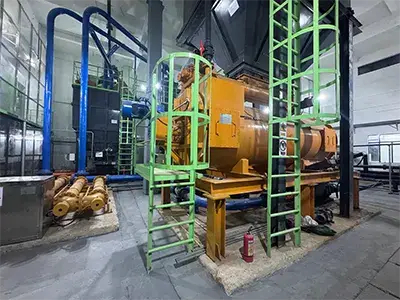
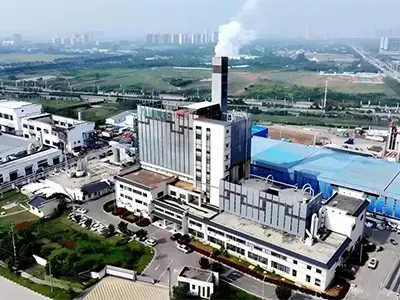
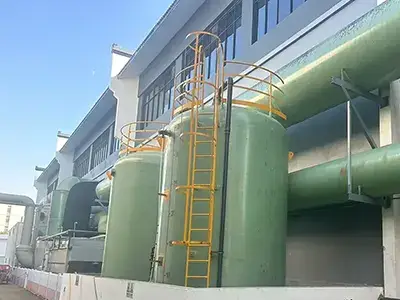
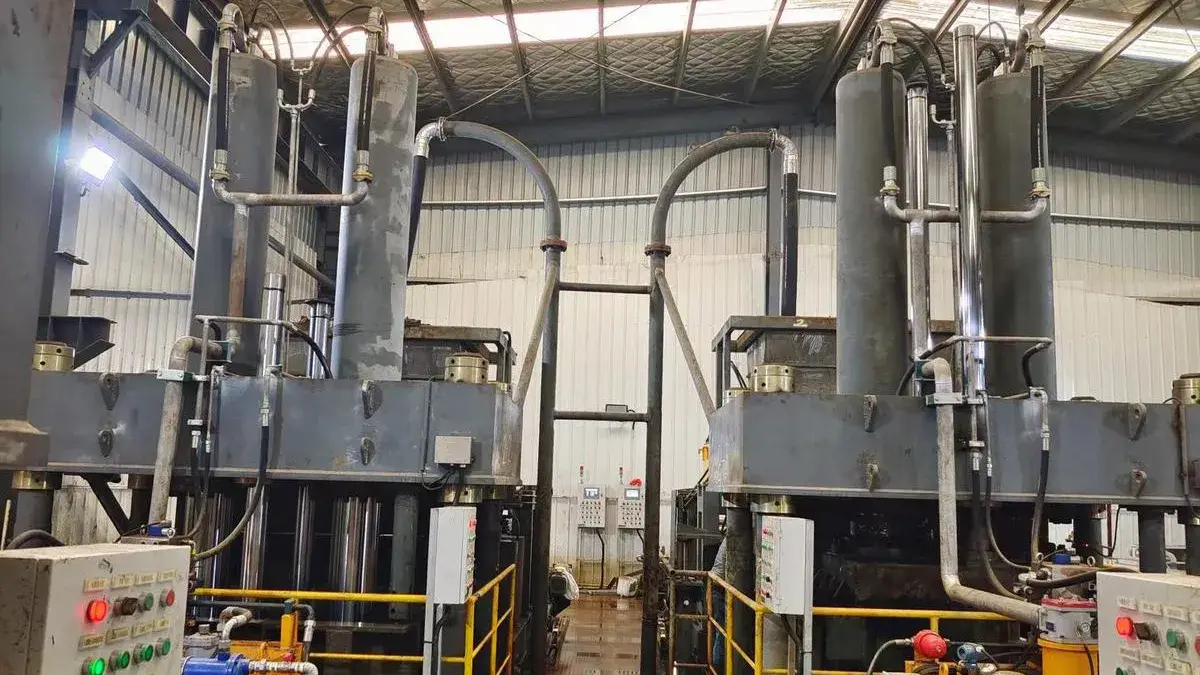
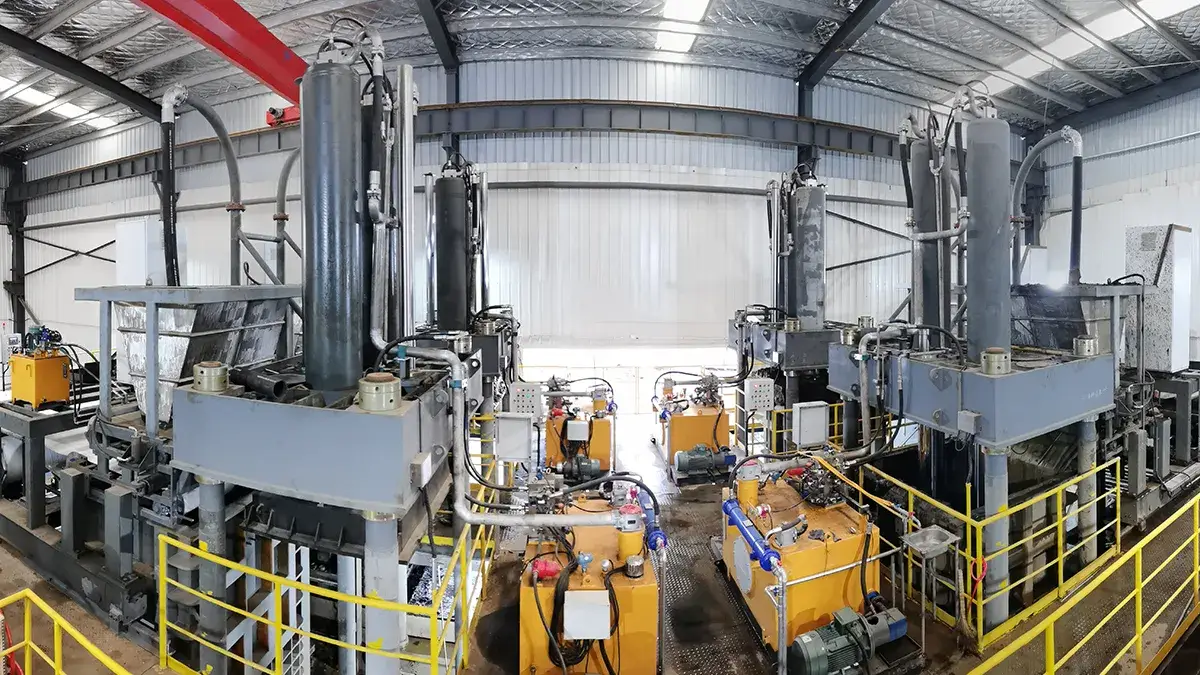
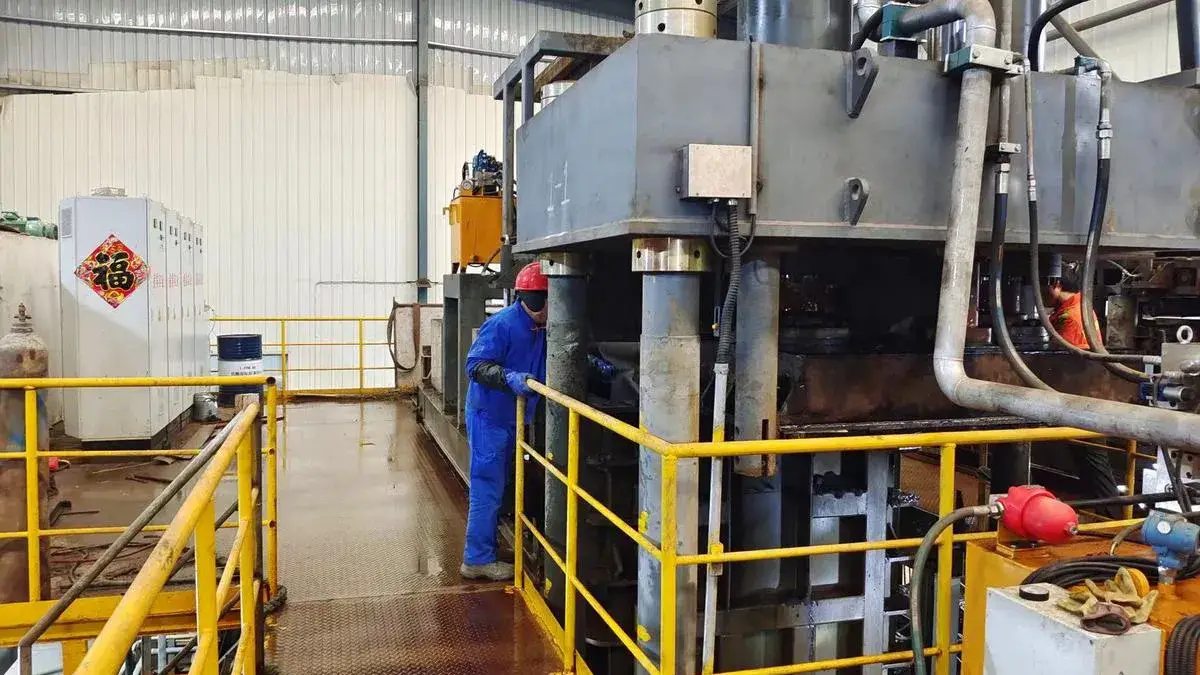
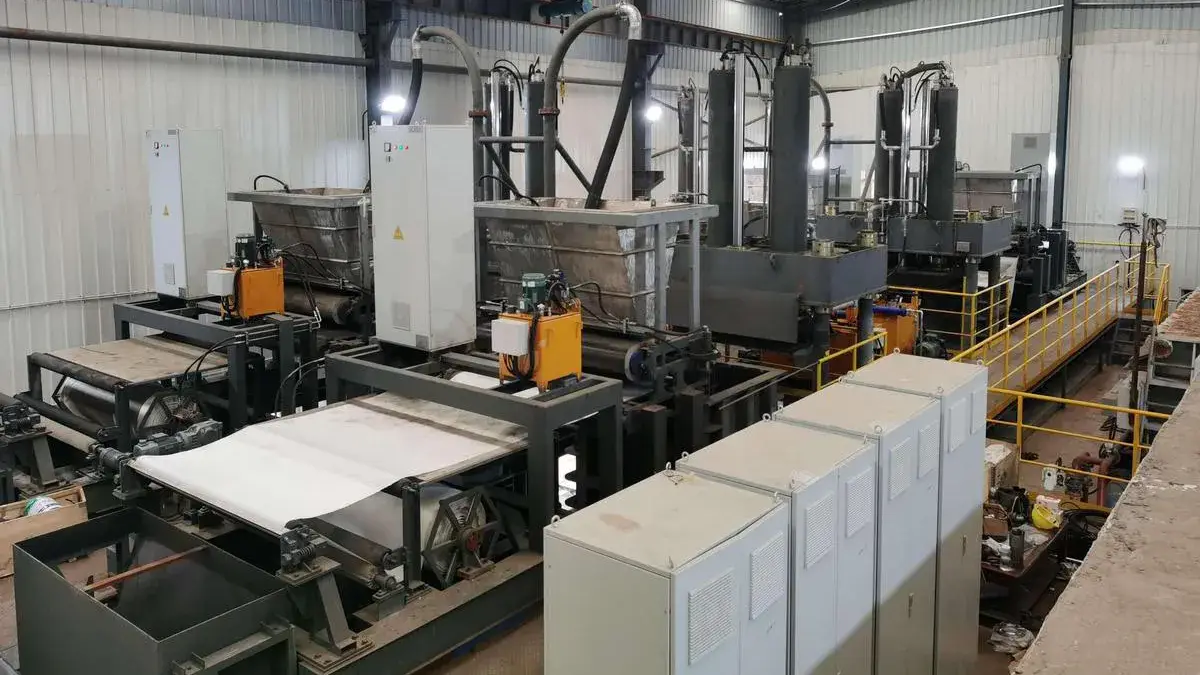
A sludge disposal center in Qingdao dewaters municipal sludge collected from nearby cities, with a daily capacity of about 400 t/day. The dewatered sludge cake is then conveyed to a power plant for incineration. Previously, they relied on a high-pressure plate-and-frame filter press, but moisture still stayed around 65% and the process depended on large amounts of lime and chemicals, which made daily operation difficult. After switching to our non-thermal deep dewatering technology, moisture was reduced to about 50% without adding lime, helping lower operating costs.
- Treatment capacity: Phase 1: 230 t/day; Phase 2: 200 t/day
-
Results:
- Without chemical dosing: moisture after pressing was about 60%.
- With 5–8% PAC solution: no dilution water was needed for conditioning, and moisture after pressing reached about 48–52%. Total sludge volume was reduced by 68%+.
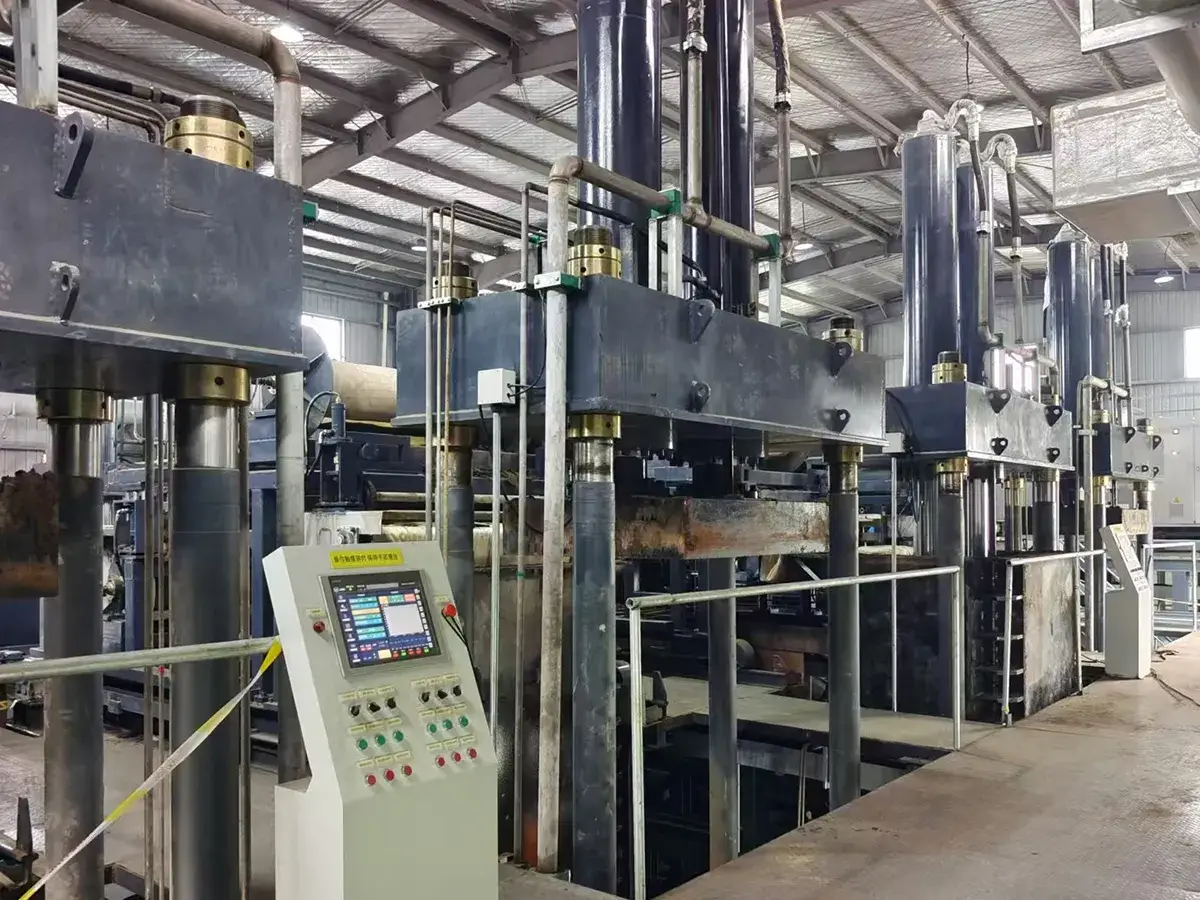
A client in Bengbu runs a centralized facility that handles municipal sludge from four wastewater treatment plants in the city, with a daily capacity of 350 t/day. After adopting our high-pressure stacked dewatering system and a small dose of polyferric sulfate, sludge moisture was reduced to below 48%.
- Capacity: 350 t/day
- Performance: Feed sludge around 80% moisture → dewatered cake ≤48%, with 3–5% polyferric sulfate dosing.
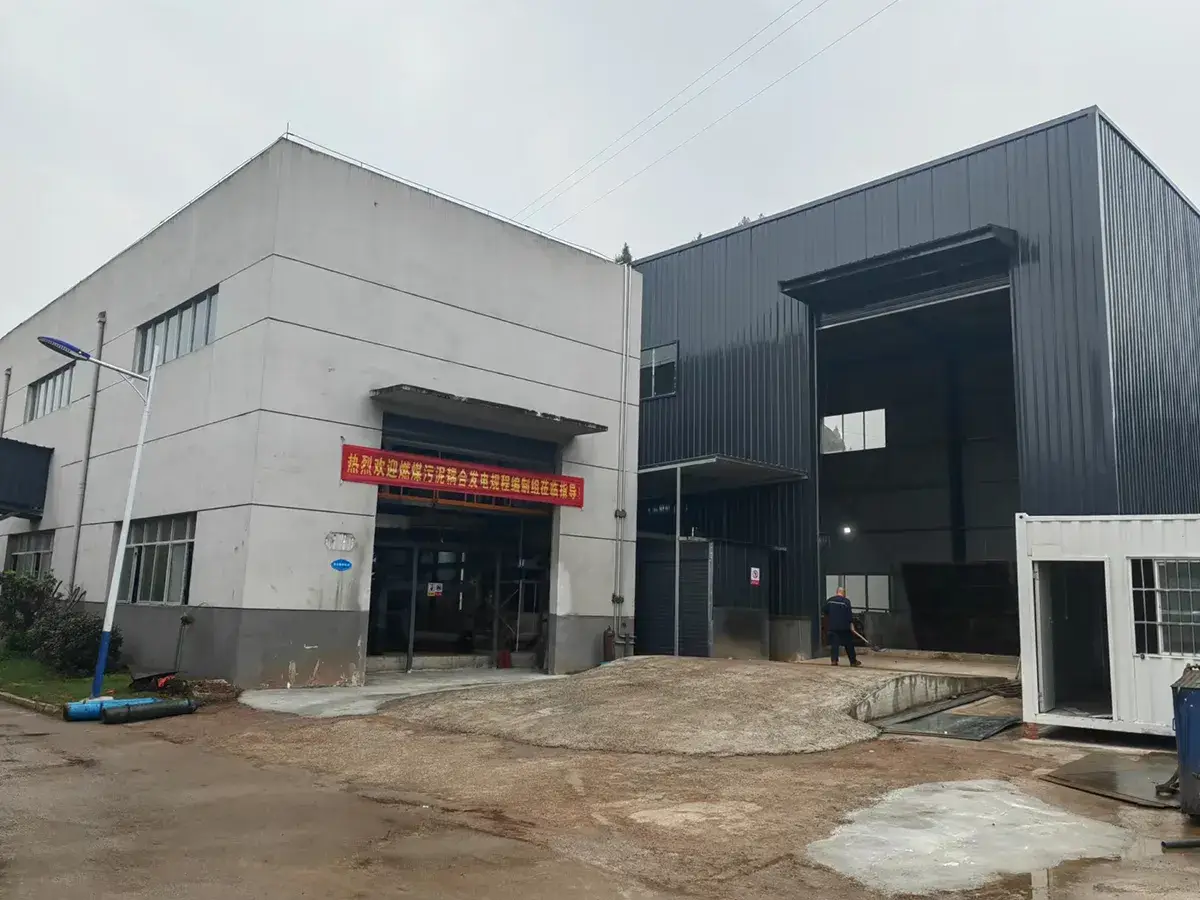
Dewatered sludge from wastewater treatment plants across Tongliang District (including the urban area and surrounding towns) is sent to this project for centralized processing. After dewatering, the material is mixed, regularly turned, and fermented until it meets the municipal standard for sludge used in landscaping and greening. The treated material is then applied in landscaping, supporting safer sludge management and resource reuse.
- Capacity: 100 t/day
- Dewatering performance: Feed sludge moisture 80–82% → cake moisture <50%, with 3–4.5% iron-salt dosing.
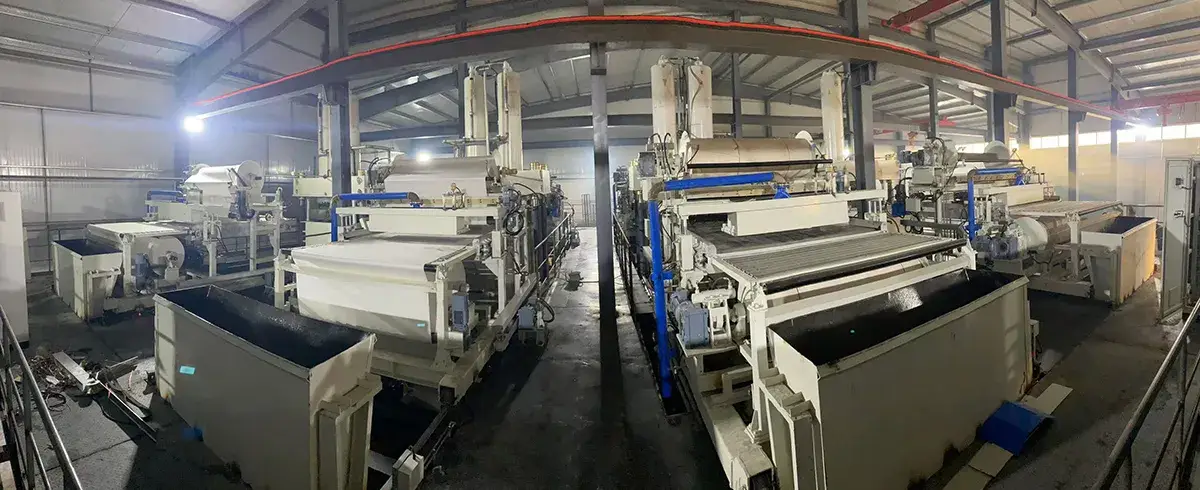
In Yinchuan, municipal sludge is treated at a centralized facility that focuses on reducing water content before the next disposal step. After switching to our high-pressure stacked dewatering system and using a small dose of polyferric sulfate, the sludge cake reached about 50% moisture, which made handling and downstream processing easier.
- Capacity: 400 t/day
- Dewatering performance: Feed sludge moisture around 80% → cake moisture around 50%, with 3–5% polyferric sulfate dosing.
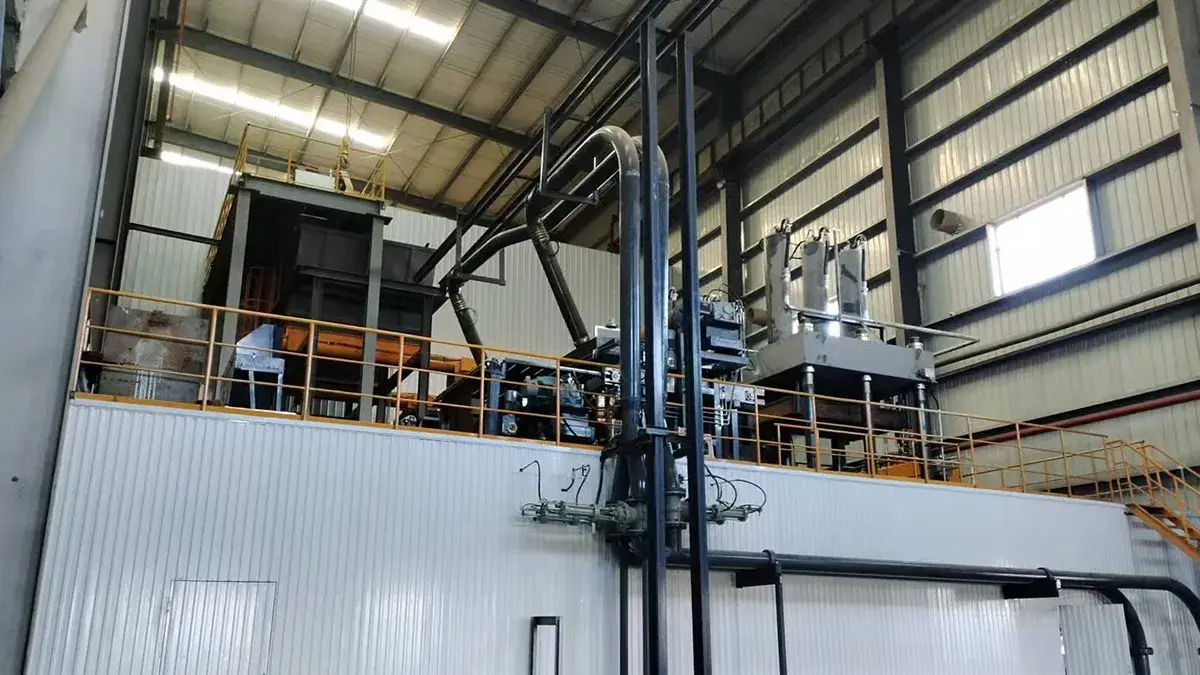
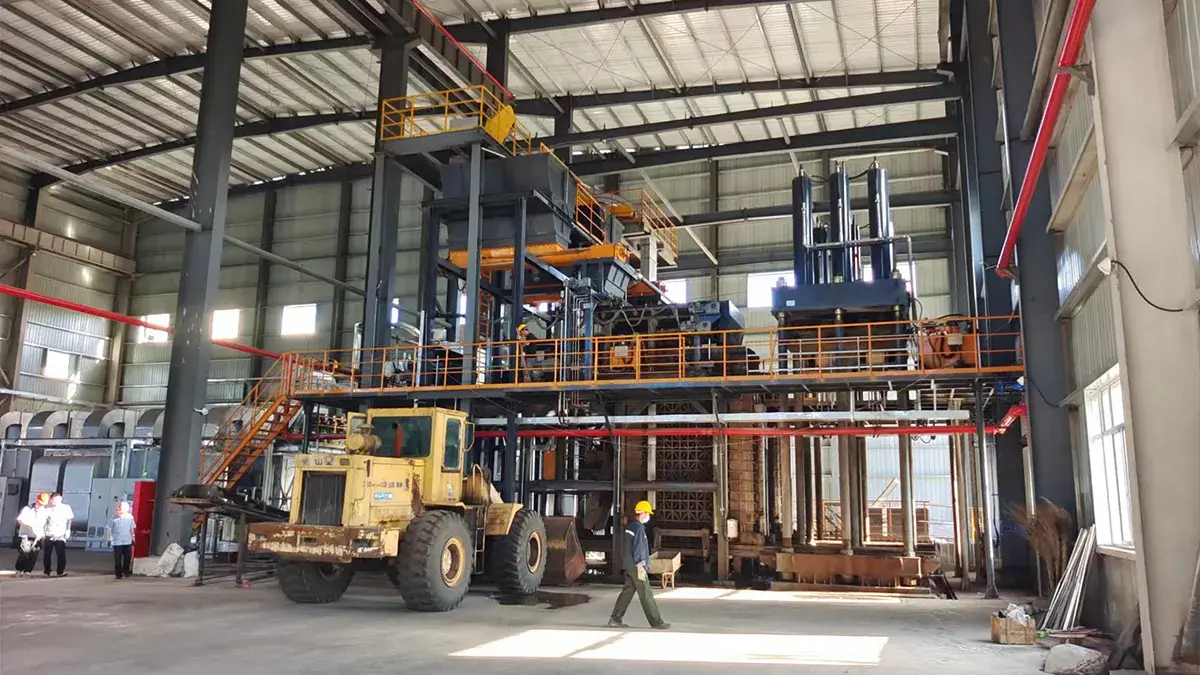
Different sludge streams are handled under this project, including fruit pectin residue, biogas digestate residue, and municipal sludge. Each type is collected separately and then treated through a centralized process to bring moisture down for easier handling. Using our high-pressure stacked dewatering system with a small dose of PAC (polyaluminum chloride), final moisture was brought into the 43–55% range.
- Capacity: Phase 1 + Phase 2 total 350 t/day
- Dewatering performance: Feed sludge moisture 75–85% → cake moisture 43–55%; chemical dosing 3–5%.
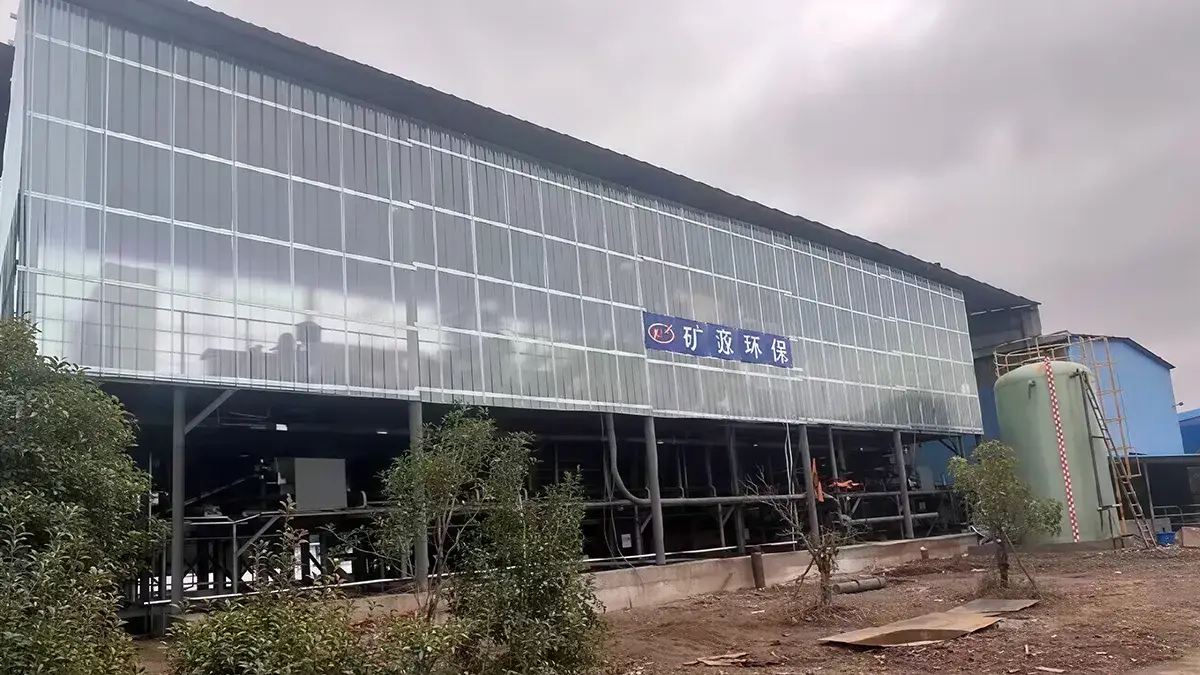
In Wuhan, a sludge disposal center receives around 400 t/day of municipal sludge. Trucks unload the incoming sludge into a sludge pit for buffering, and then a transfer pump moves it by pipeline to a non-thermal deep dewatering unit for volume reduction. Feed sludge moisture is typically around 85%, and non-thermal dewatering brings it down to about 50–60%.
- Without chemicals: Moisture after pressing around 60%.
- With 5% ferric chloride solution (FeCl₃): No dilution water needed; moisture after pressing around 50%; sludge volume reduced by 68%+.
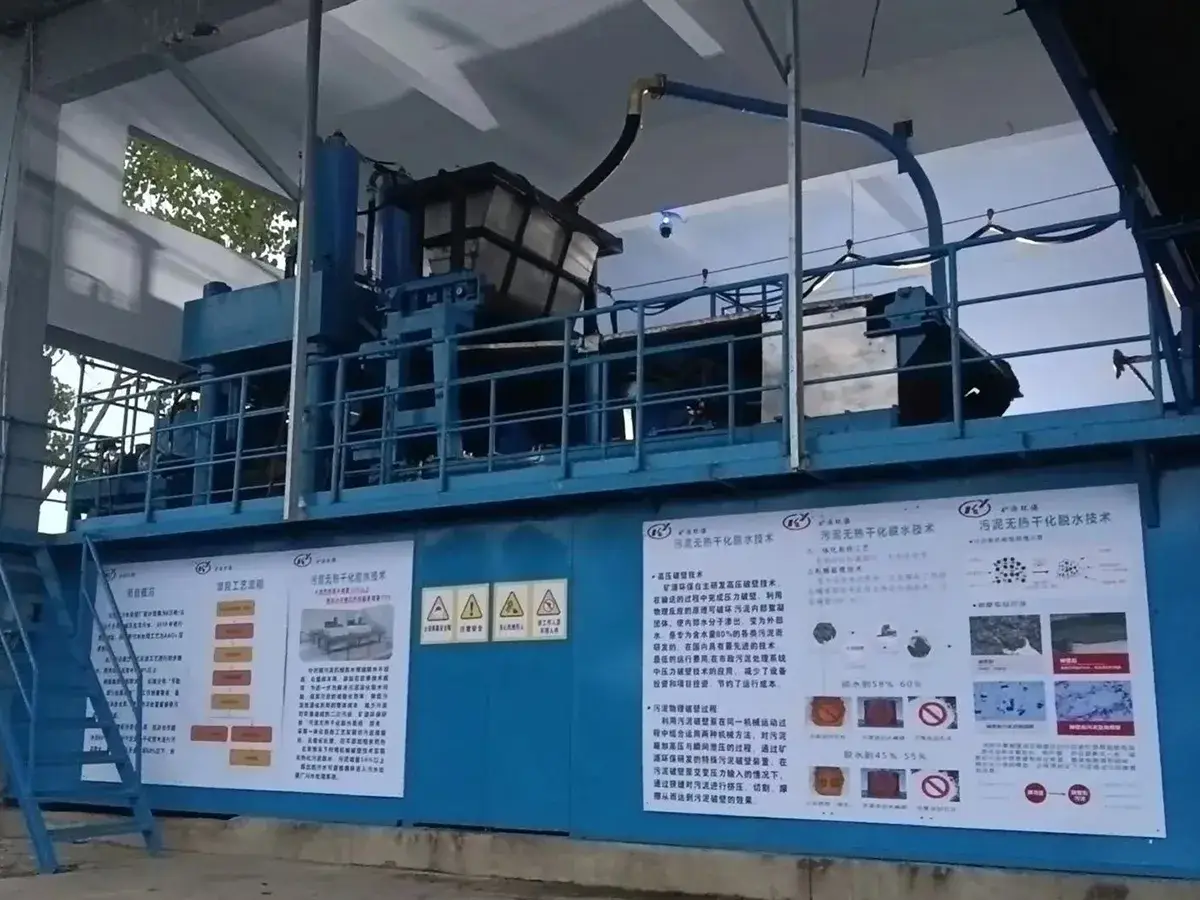
This wastewater treatment plant serves domestic sewage in an urban area. Their designed capacity is 60,000 m³/day, and the plant was upgraded in 2018 to meet a higher discharge standard. The current process is AAO + advanced treatment. In 2021, the average flow reached 68,300 m³/day, with billed volume at 69,300 m³/day. Sludge disposal represented a large share of operating costs for this plant, based on its 2021 financial report. The annual cash operating cost was RMB 8.68 million, and sludge disposal alone accounted for RMB 3.5385 million (excl. tax), or about 40.77% of the total. In 2021, sludge generation reached 12,728.89 tons (at ≤80% moisture), with a disposal fee of RMB 260/ton, and the material was transported to Chongzuo Hongshi Group to be used in cement-related production.
- Capacity: 50 t/day
- Dewatering results: Feed sludge moisture measured at about 81–82%. After dewatering, average sludge reduction was around 50%. With 2% of a 10% PAC solution (per ton of sludge at ~80% moisture), average cake moisture reached ≤55%. At a daily throughput of 50 tons (around 80% moisture), annual sludge disposal cost savings were close to RMB 3 million.
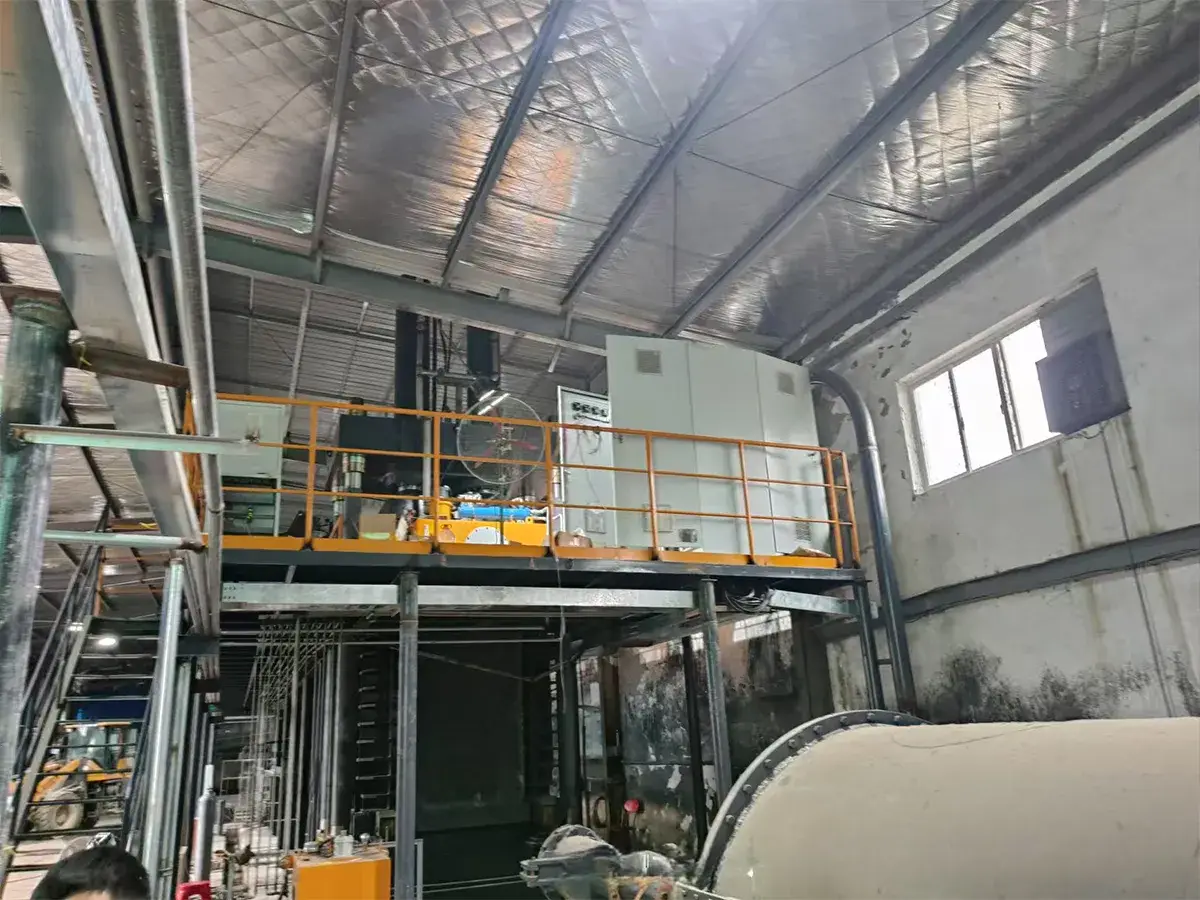
In Tongling (Anhui), municipal sludge is sent for centralized dewatering to reduce water content before the next disposal step. The client chose our high-pressure stacked dewatering system and used a small dose of a polyiron solution as support during pressing. Under this setup, moisture was brought down to around 55%, making the dewatered sludge easier to manage.
- Capacity: 100 t/day
- Performance: Feed sludge moisture around 80% → cake moisture around 55%; chemical dosing 2–4%.
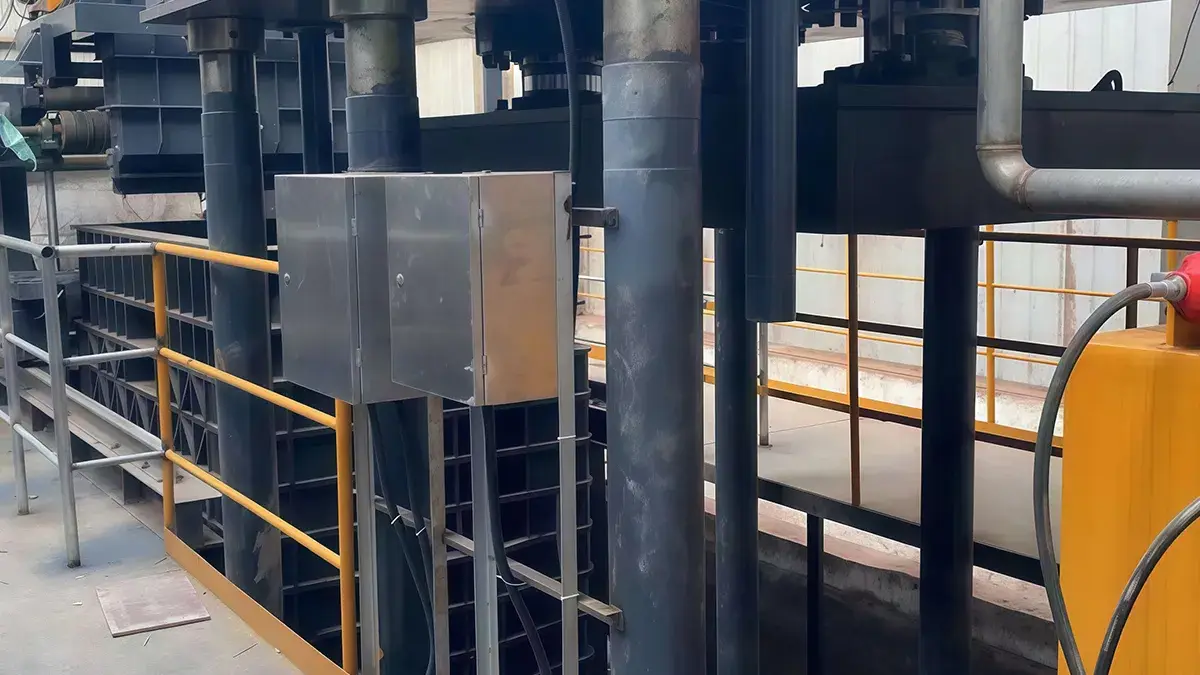
In this project, sludge from external sources and sludge produced within the plant are both directed to a receiving hopper for centralized handling. From there, the material goes through our non-thermal deep dewatering process, and the dewatered sludge cake is moved by belt conveyor to the boiler for co-firing.
- Capacity: 120 t/day
- Performance: Feed sludge moisture about 83% → 55–60% after dewatering. No chemicals were added, and overall sludge reduction was about 50%.
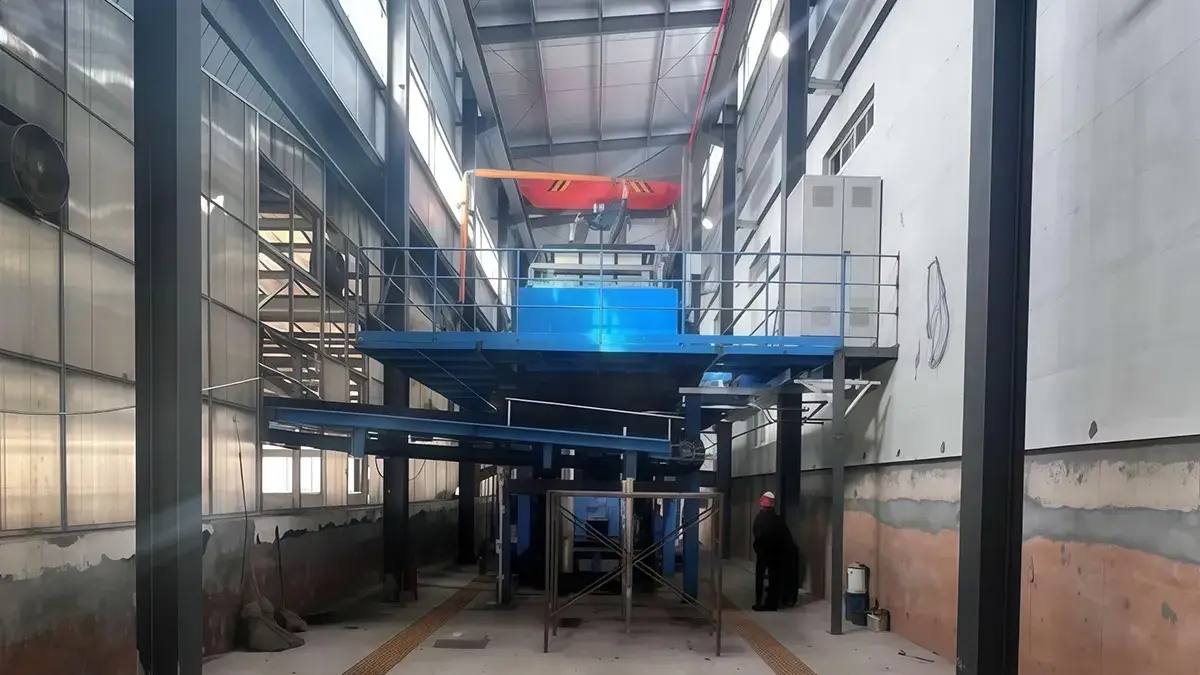
After fermentation, municipal sludge becomes digestate with a high biomass content, which is often difficult to dewater with standard methods. In this case, our wall-breaking pretreatment was used with only a small amount of chemical support, and sludge reduction reached 67–70%.
- Capacity: Phase 1 + Phase 2 total 100 t/day
- Results: Feed moisture 88% → cake moisture 55%, using only a 10% PAC solution.
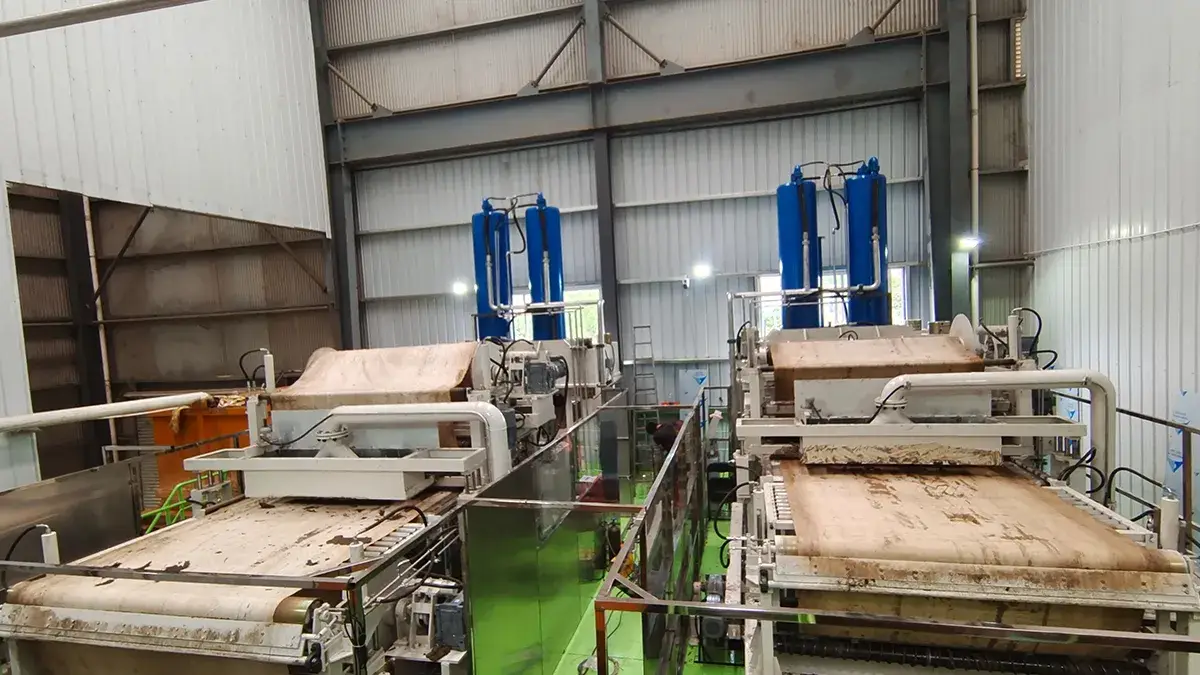
Centralized municipal sludge treatment was carried out using our electro cell-disruption pretreatment combined with high-pressure stacked dewatering. With only a small dose of polyferric sulfate, final sludge cake moisture was reduced to ≤40%.
- Capacity: Phase 1 + Phase 2 total 150 t/day
- Performance: 82% feed moisture → ≤40% cake moisture, using electro pretreatment + high-pressure stacked filtration and 5% polyferric sulfate dosing.
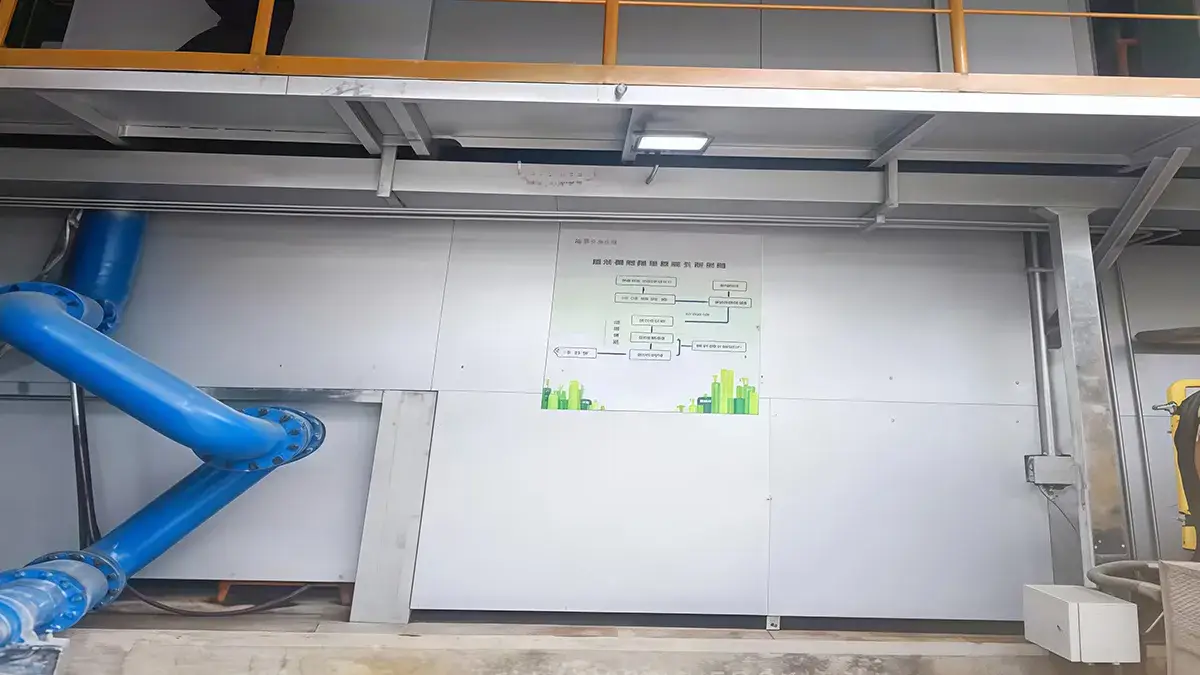
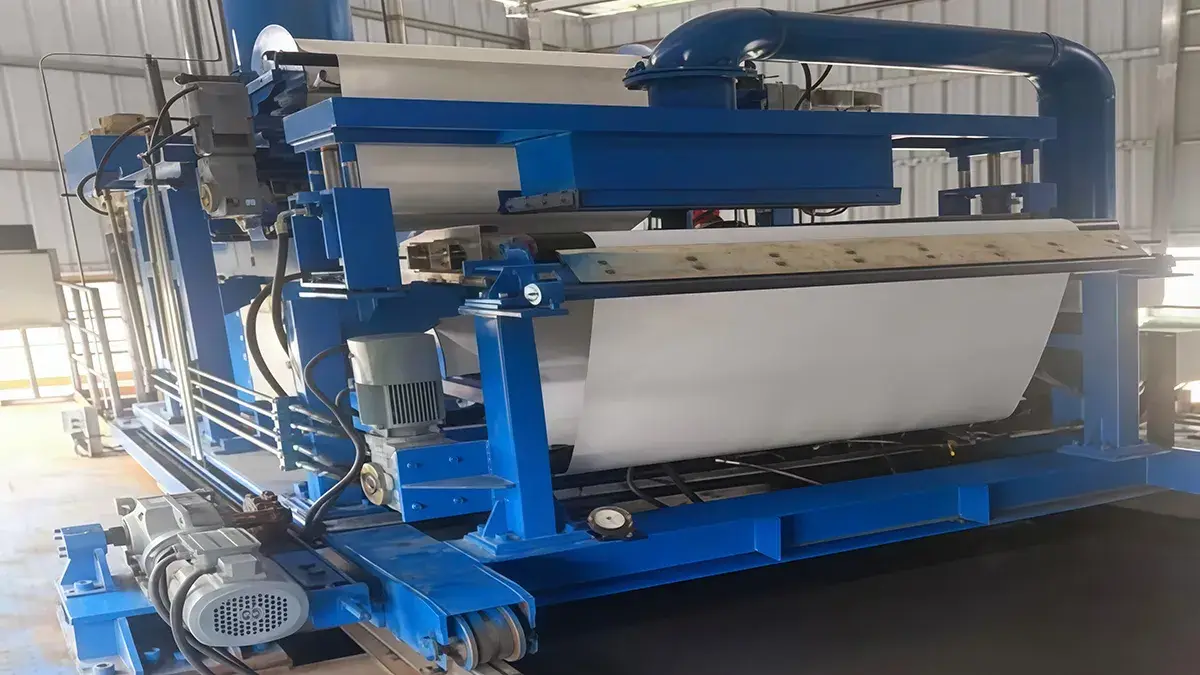
The phase 2 of this project handles sludge generated by Dongguan Dasong Water Purification Plant, with feed moisture around 82%. Dewatering is carried out using our high-pressure stacked system, supported by a small dose of polyaluminum sulfate, bringing final cake moisture down to ≤55%.
- Capacity: 50 t/day
- Results: Feed sludge moisture around 82% → cake moisture ≤55%, using electro cell-disruption pretreatment and only 5% polyaluminum sulfate dosing.
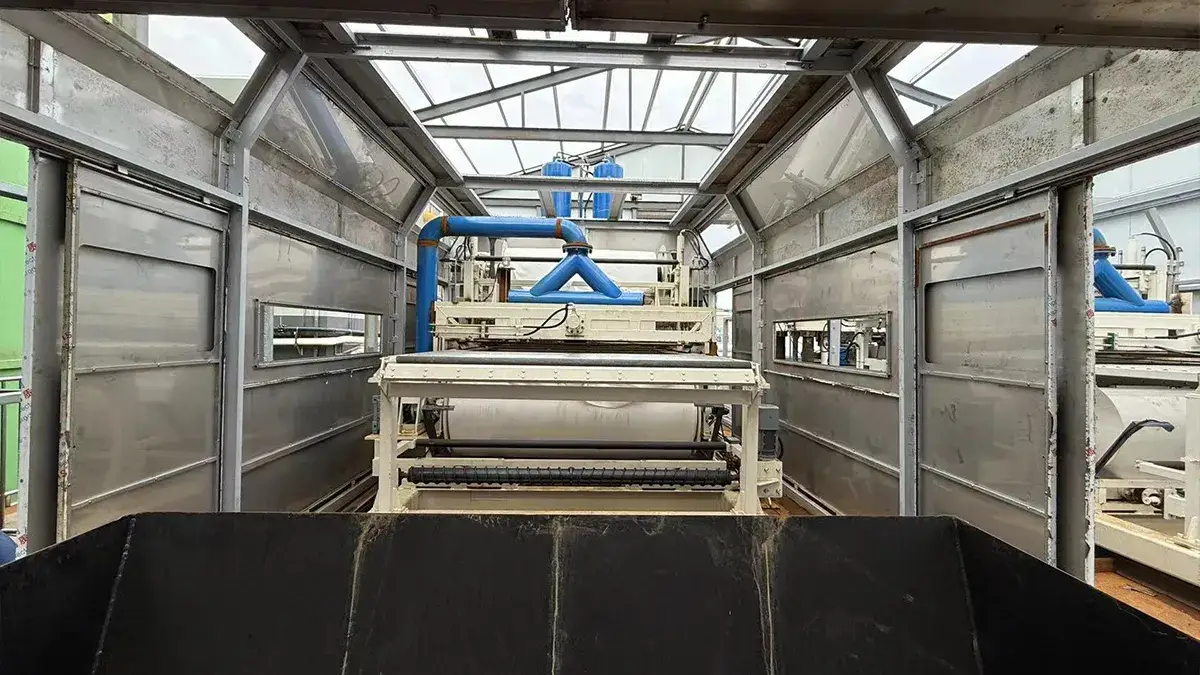
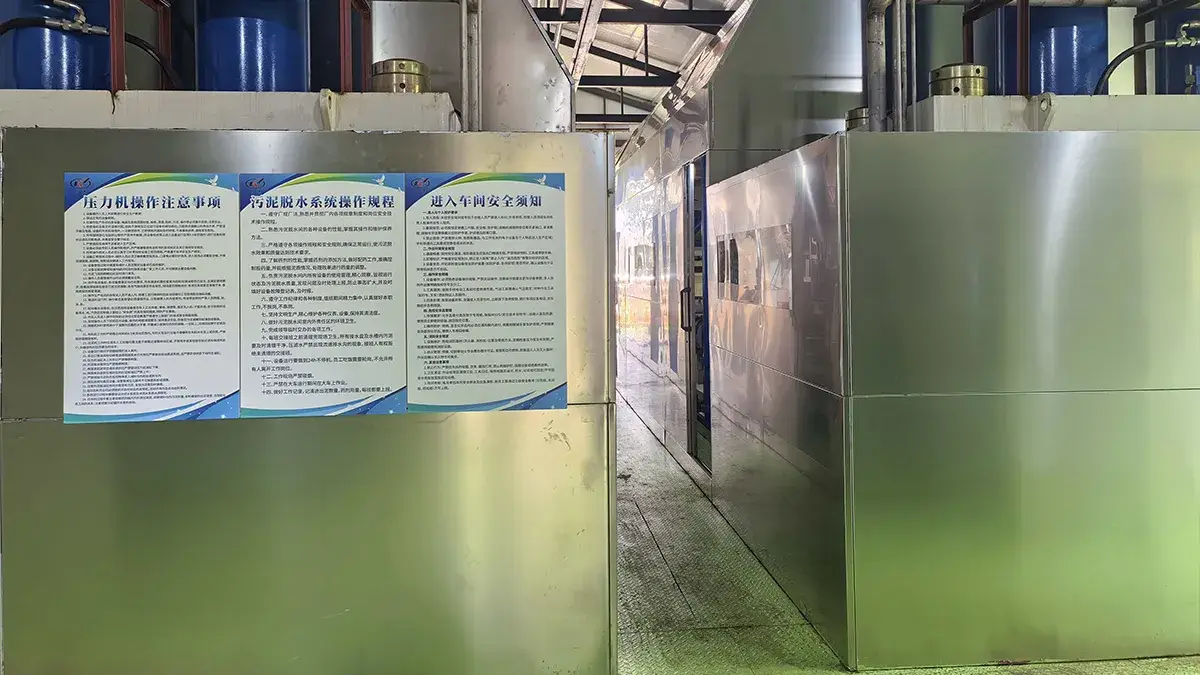
This project treats on-site sludge with feed moisture around 80%. Dewatering is carried out using our high-pressure stacked dewatering system, supported by a small dose of polyferric sulfate, and final cake moisture is reduced to ≤50%.
- Capacity: 100 t/day
- Dewatering results: Feed moisture 80% → cake moisture ≤50%, with 5% polyferric sulfate dosing.