

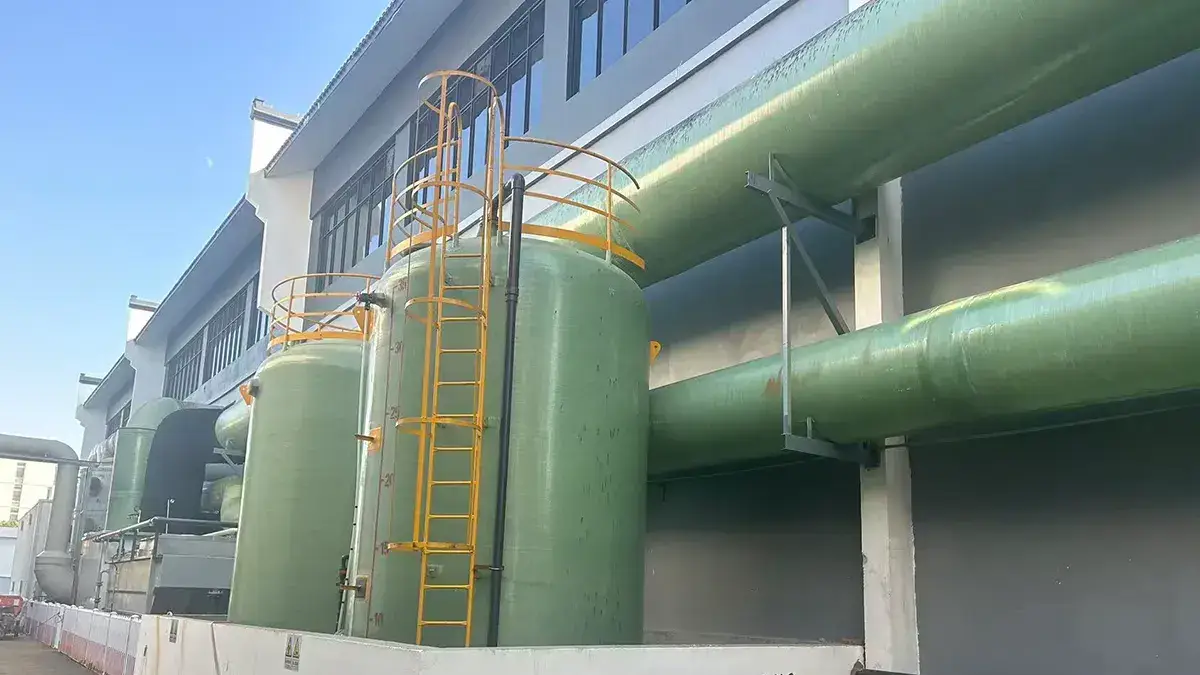
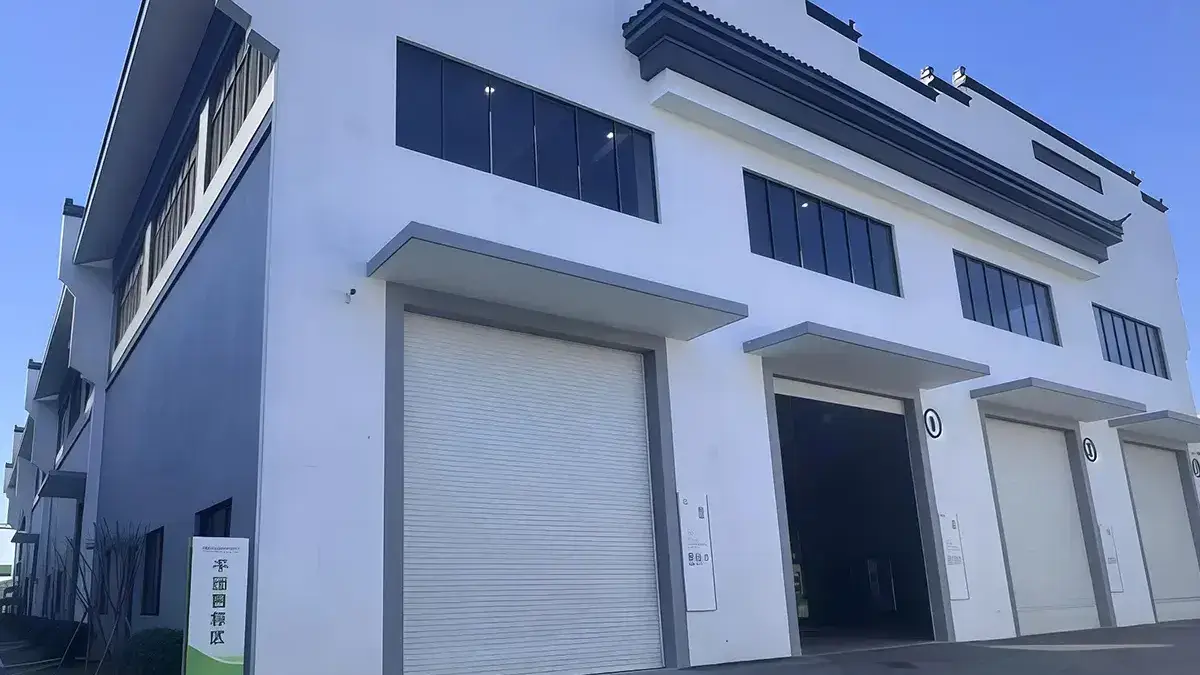
Plate-and-Frame Sludge Dewatering Project
With a total site area of about 4,500 m², this sludge dewatering line was planned for a service area handling around 500 tons of sludge per day. The incoming sludge includes about 200 tons/day with 75%–85% moisture content and about 300 tons/day of dewatered plate-and-frame sludge with 60%–75% moisture content. Based on this daily load, the system is designed to process at least 500 tons/day, with a maximum capacity of 600 tons/day.
-
 Pressed Sludge Handling Area
 -
 Plate-and-Frame Sludge Storage Bay
 -
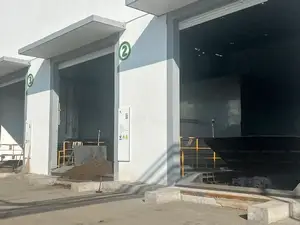 Plate-and-Frame Sludge Storage Bay
 -
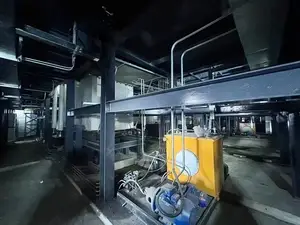 Sludge Dewatering Workshop
 -
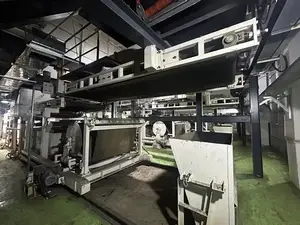 Sludge Dewatering Workshop
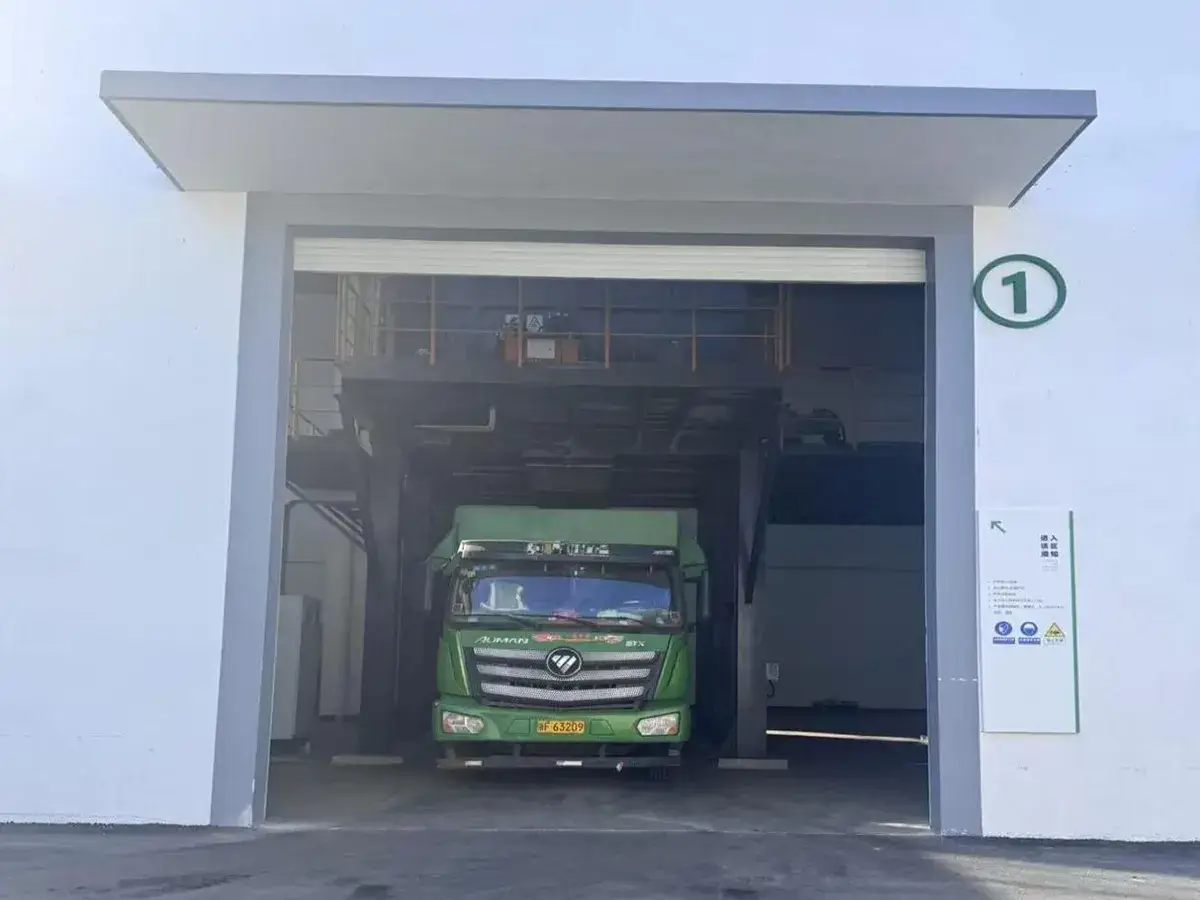
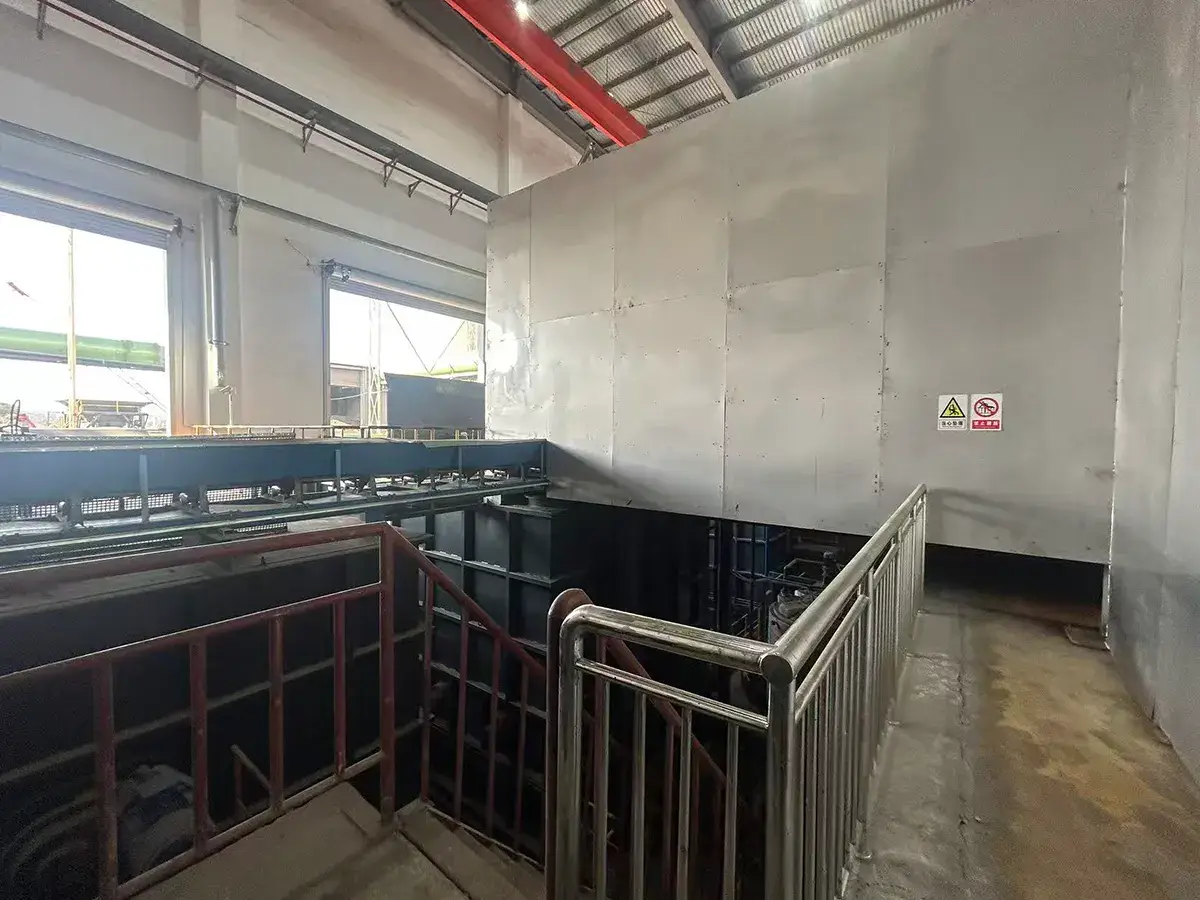
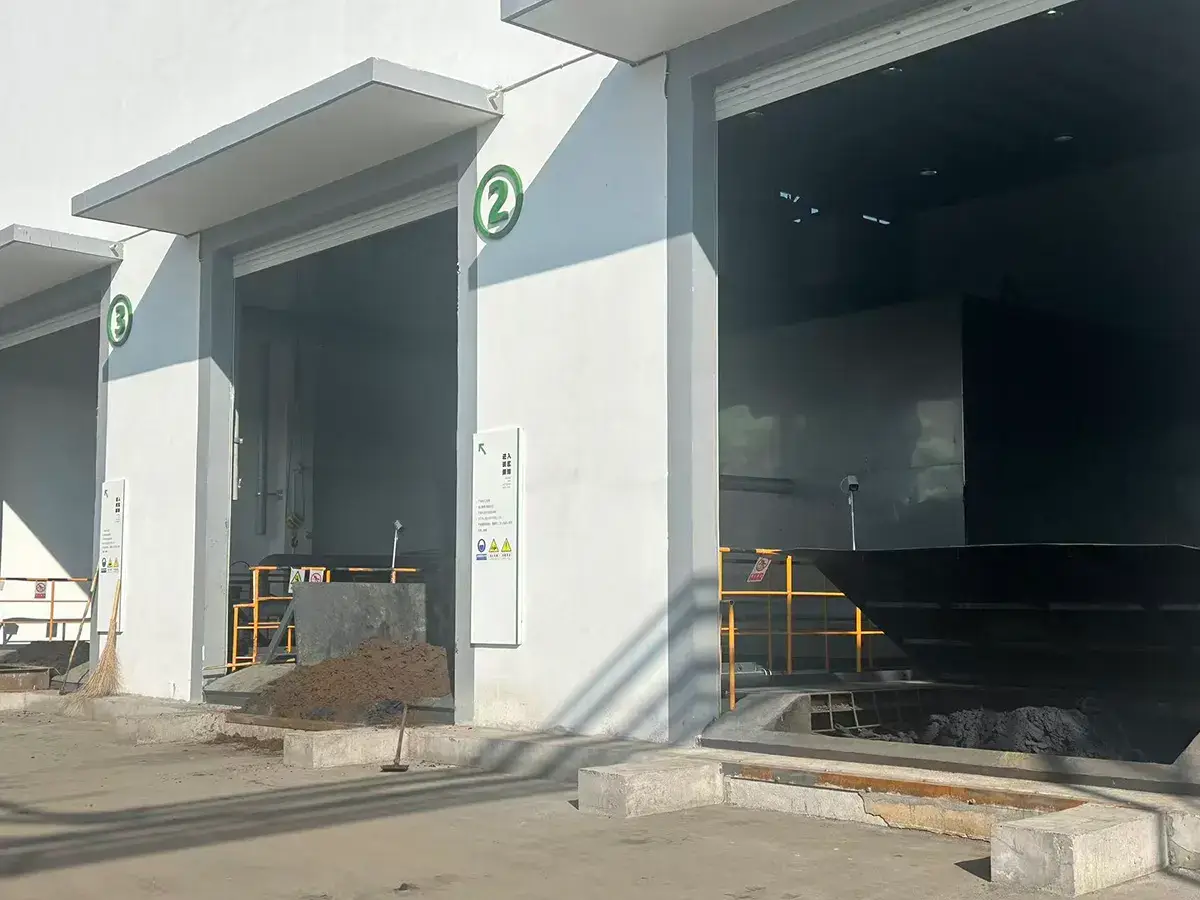
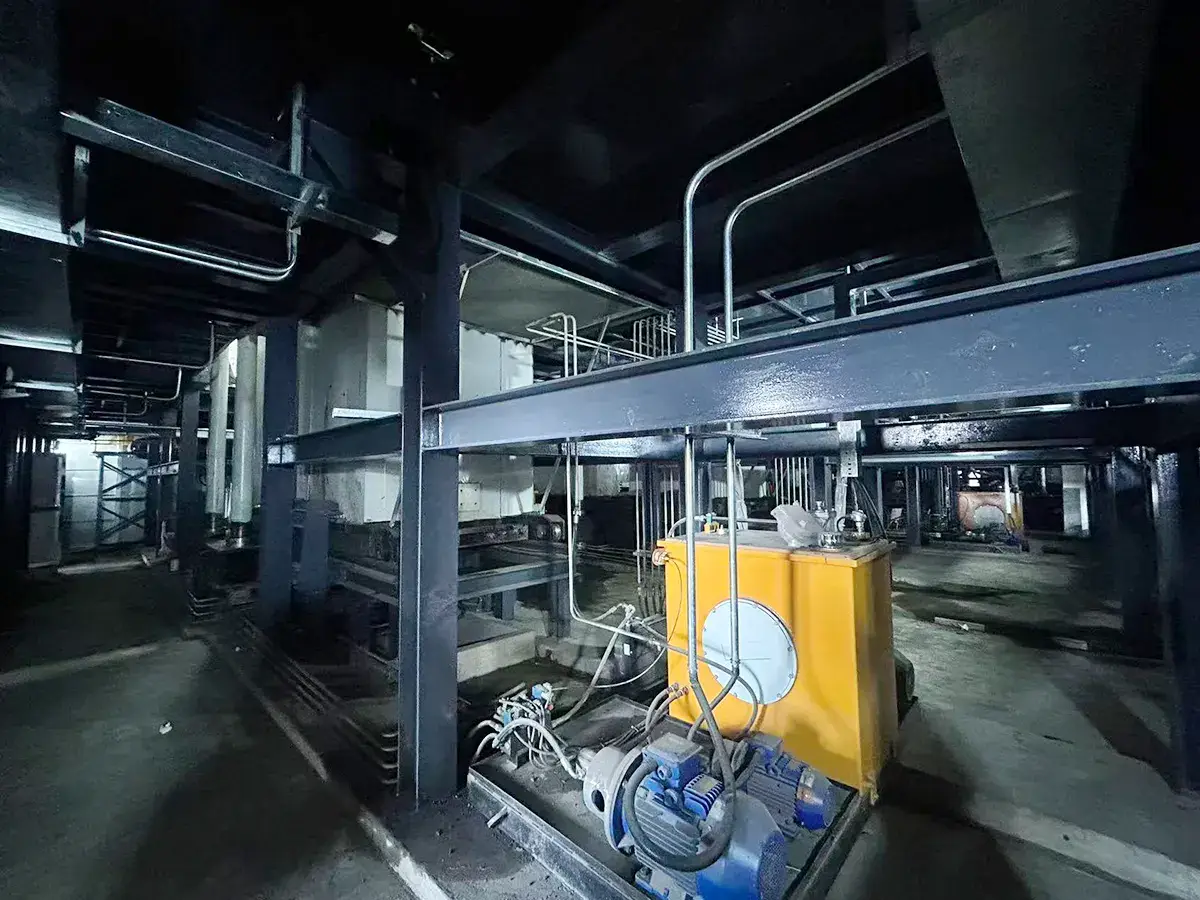
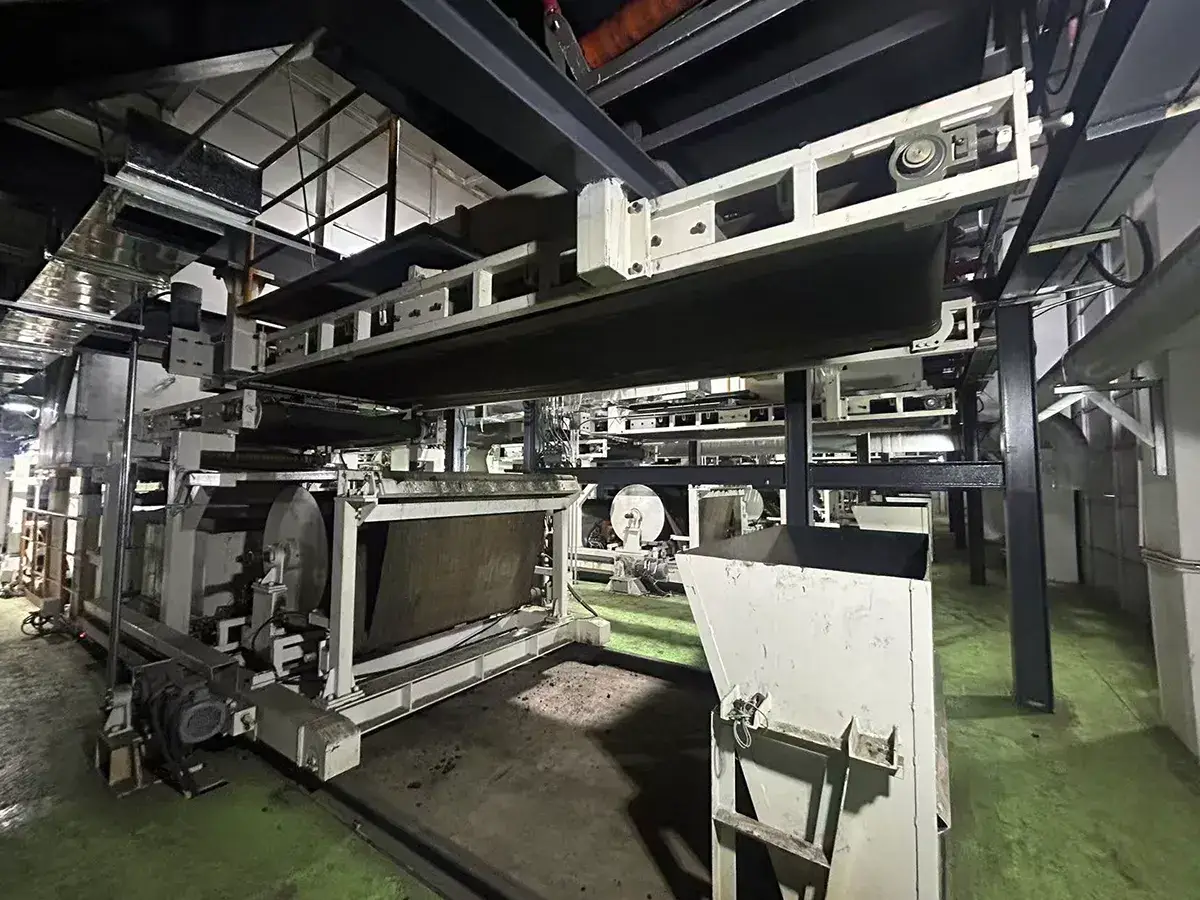
- 65% Moisture Sludge Cake Storage
- Scraper Conveyor Feeding
- Sludge Cake Pretreatment
- Material Distribution System
- Deep Pressing System
- Filtrate Recovery
- Discharge System
- Outward Transport of 40% Moisture Dry Sludge
Block-shaped sludge from the plate-and-frame dewatering process is weighed before being discharged into the handling system. From there, the sludge moves through an unloading screw conveyor and is lifted vertically by a scraper conveyor to the pretreatment unit. After pretreatment, the feeding system transfers the sludge to a single-unit, double-cage deep pressure filtration system for further moisture reduction.
Since sludge properties can vary significantly, even distribution is an important part of the pressing process. Once the sludge enters the deep filtration system, the distribution unit spreads it evenly across the filter cloth. The filled pressing cage is then moved into the pressing station. After the set pressing time is completed, the dewatered sludge is transferred to the discharge station and released into the discharge hopper.
| Moisture content before treatment | 60%–85% | Dry sludge storage | 3 silos, 100 m³ each, arranged for fast truck loading |
| Discharge moisture content | stable at 42±1% | Main pressing system configuration | 2+4 sets |
| Designed sludge treatment capacity | ≥500 tons/day, with a maximum capacity of 600 tons/day | Washing water consumption | ≤20 tons/day, supporting lower water use |